



Homepage
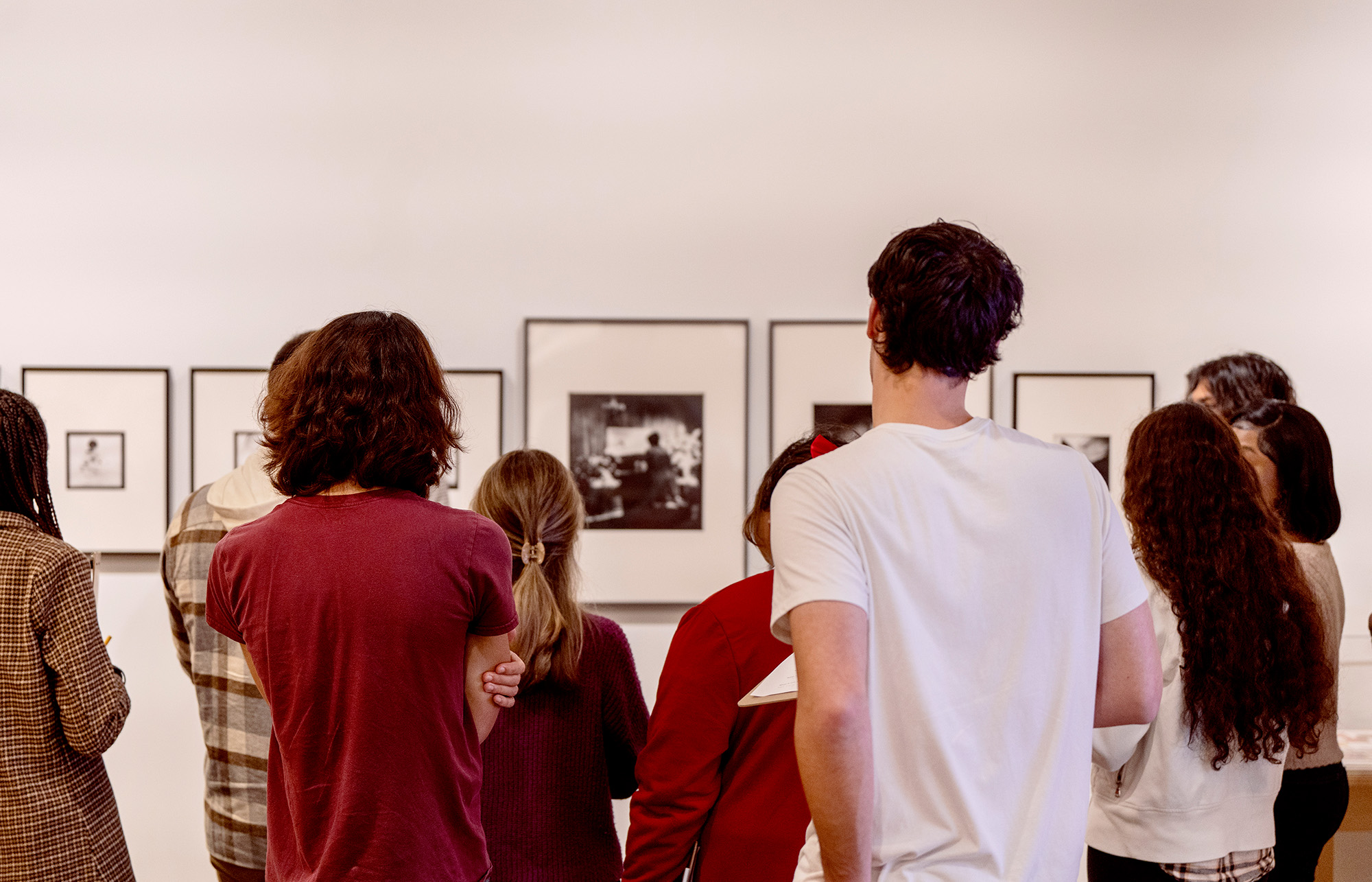
Connect Your Class with the Museum
We help design and lead class sessions in our permanent collection galleries and classrooms
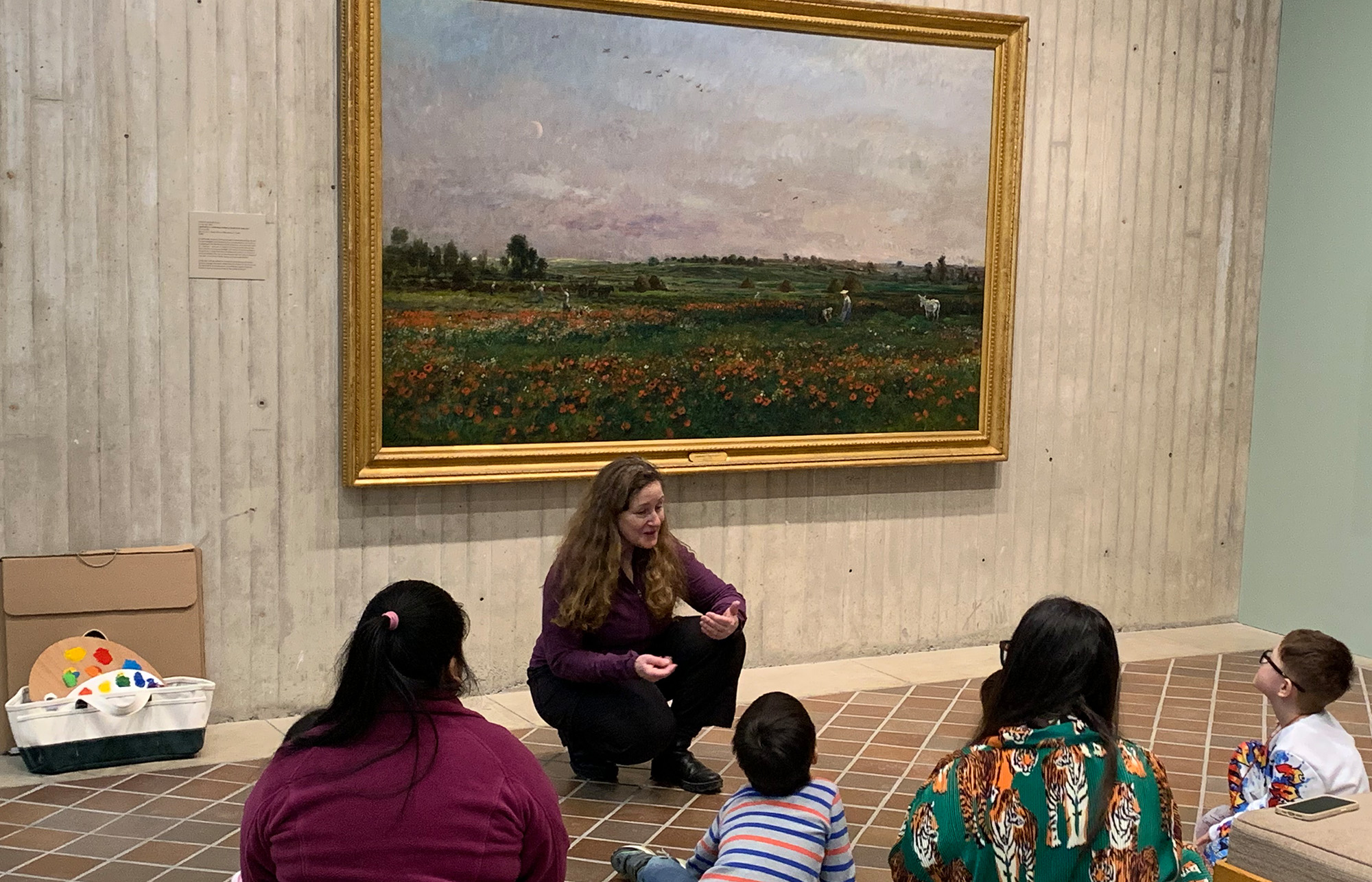
A World of Art for All Ages
Teach with us at the Museum, in your classroom, or at home
Your Support Makes All the Difference
Gifts to our annual fund make what we do possible.
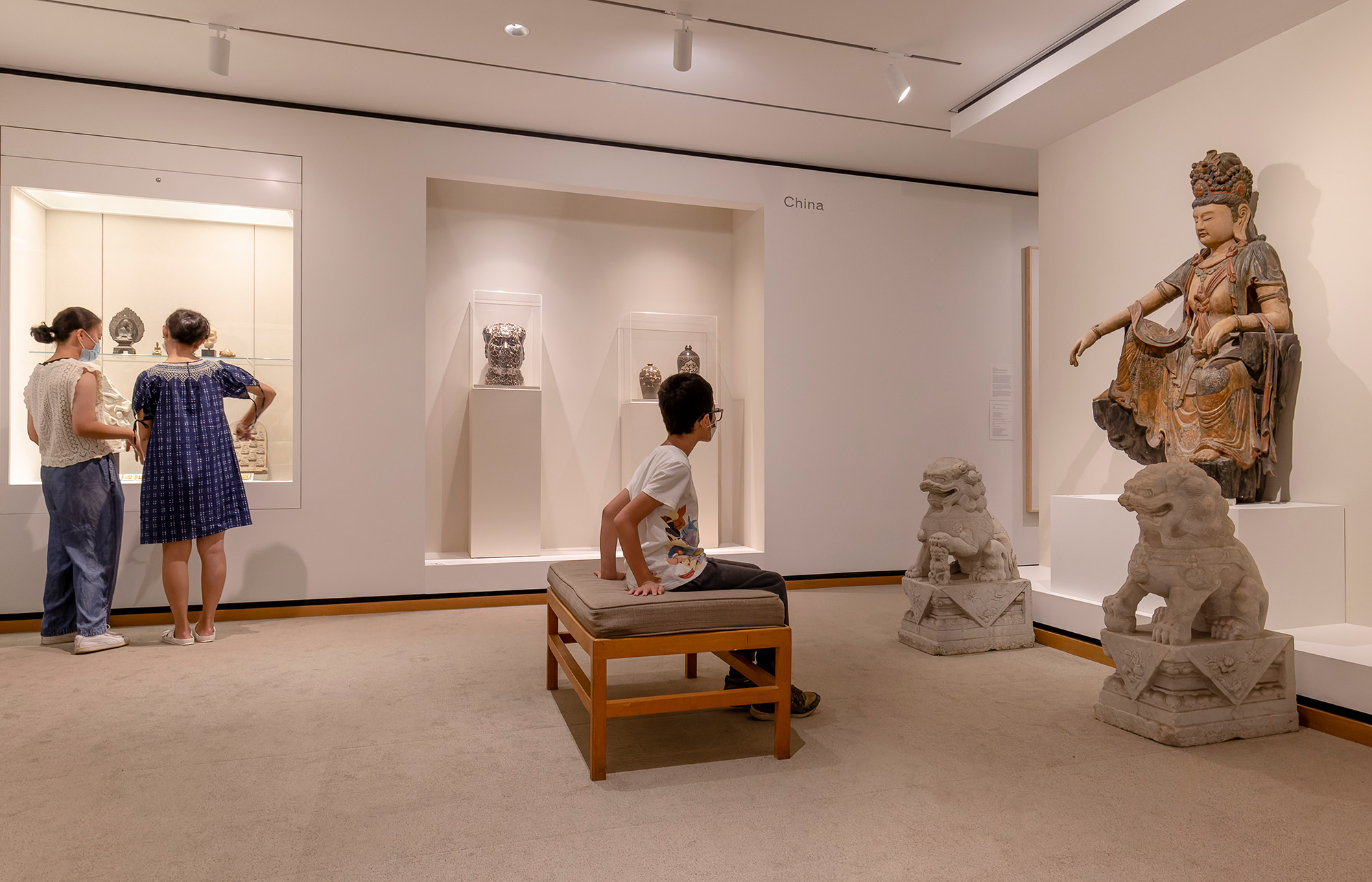
Upcoming Exhibitions
The Museum will reopen on Tuesday, January 20, 2026.
Jan 20, 2026–Jun 7, 2026
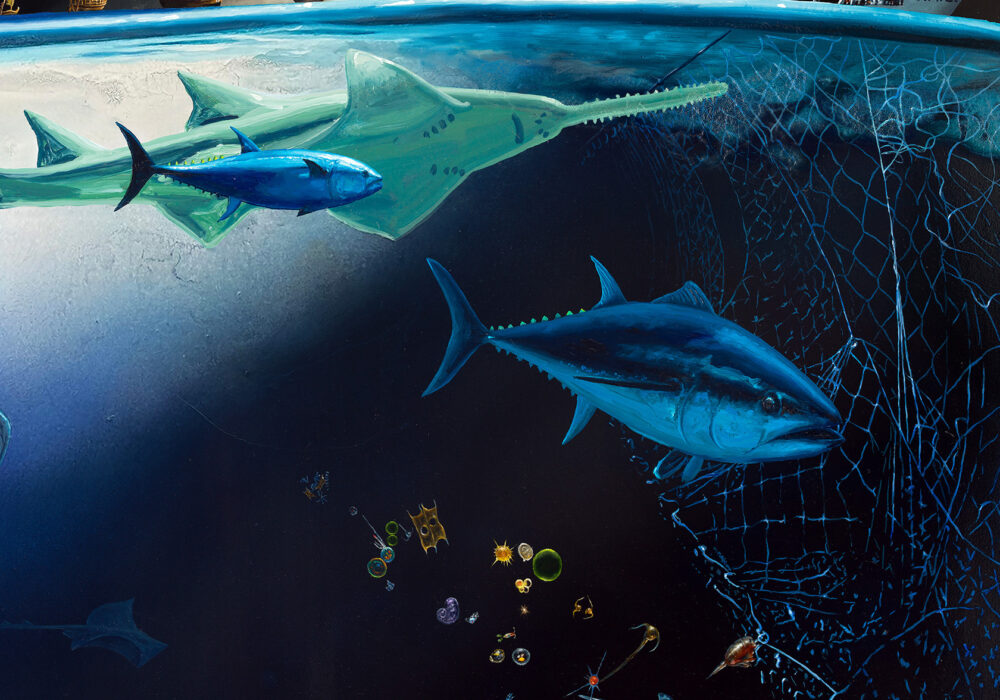
Naples: Course of Empire
New landscape paintings by Alexis Rockman create scenes of an expansive ecological history and possible future of the Italian port city.
Jan 24, 2026–May 17, 2026

The Hum of Life: A Thousand and One Tales from Bali
Drawn from the permanent collection, including important recent acquisitions, this will be the Johnson Museum’s first exhibition to focus on art from the island of Bali.
Feb 7, 2026–Jun 7, 2026
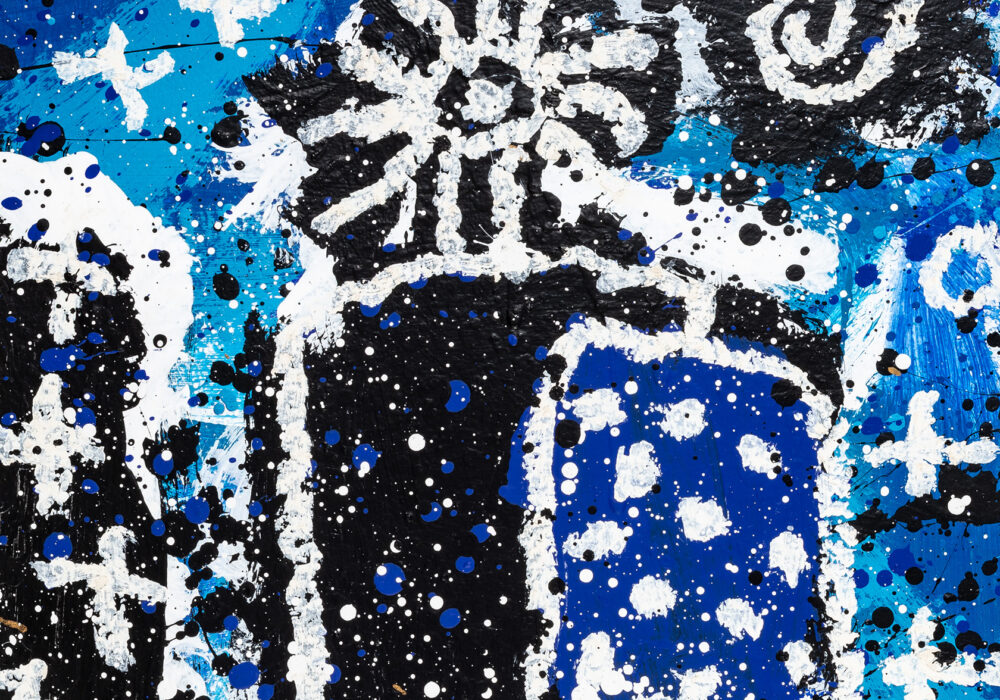
A Life of Collecting: Gifts of Native American Art from Malcolm Whyte ’55 and Karen Whyte
These gifts have shaped the core of the Native American art collection at the Johnson Museum, and many will be on view here for the first time.
Learn with Us
Engage with our educational resources for Cornell, Ithaca, and the region.
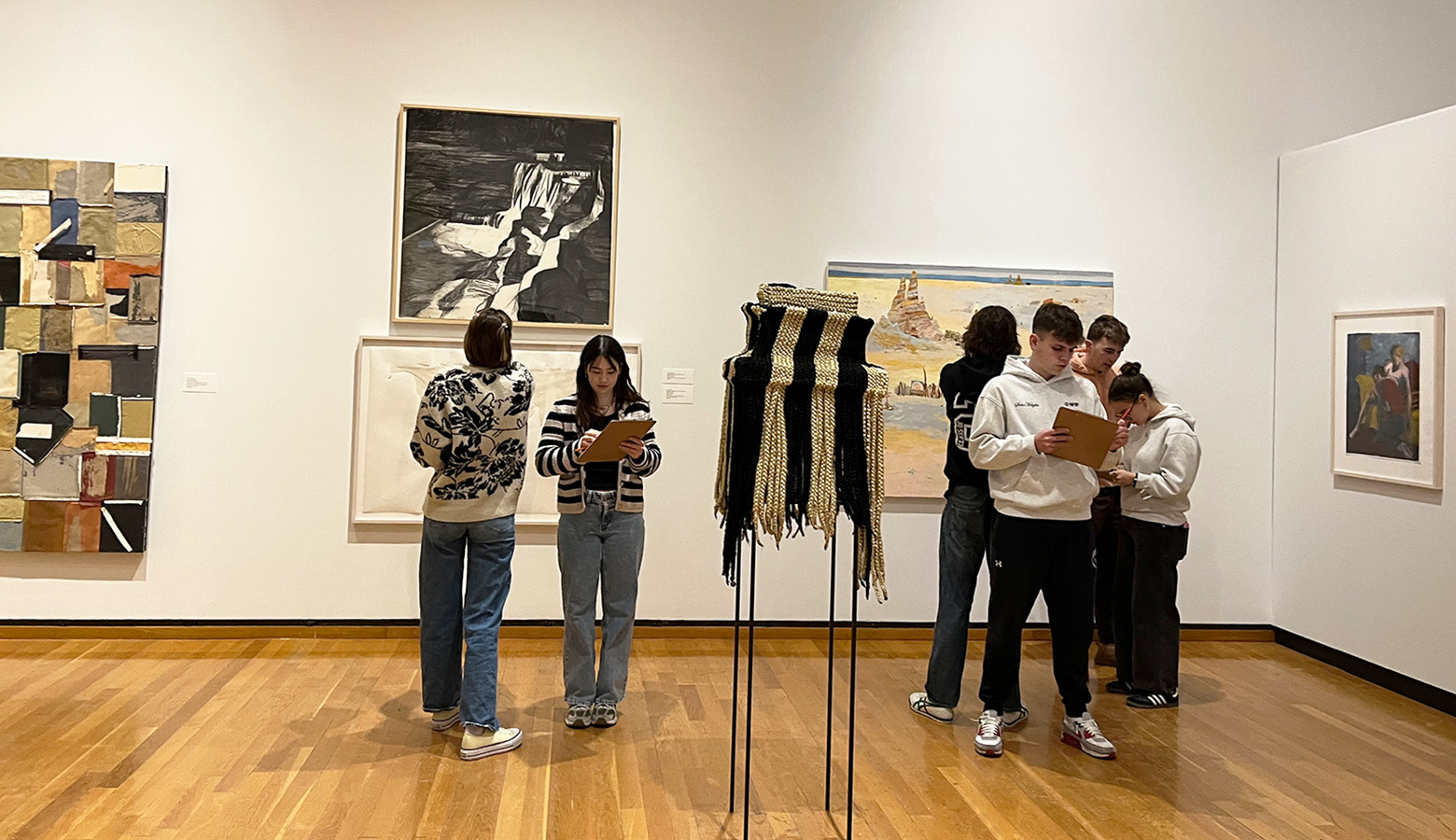
Plan Your Class
The Johnson Museum hosts hundreds of Cornell class sessions from more than 50 departments and programs every academic year.
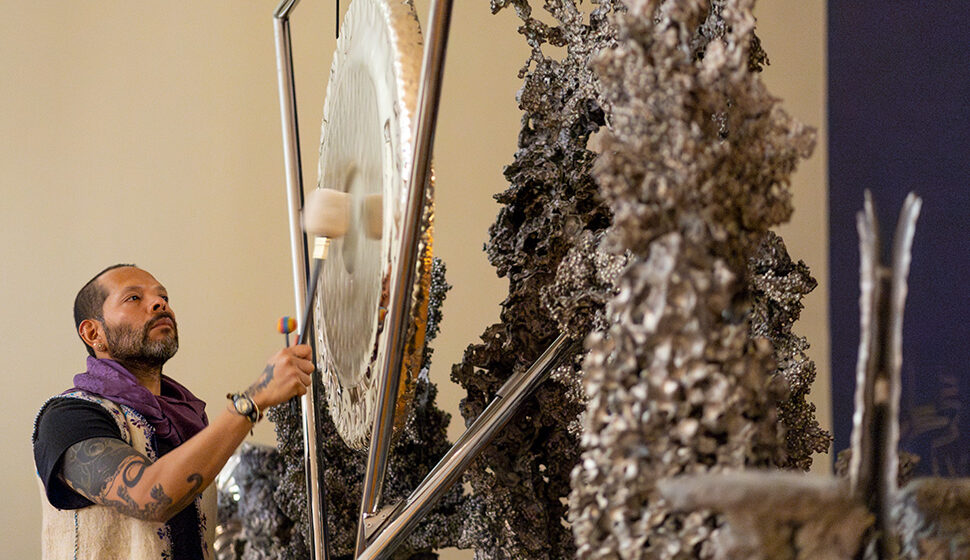
Just Futures Initiative
Funded by major grant from to Cornell from the Mellon Foundation’s Just Futures Initiative, the Johnson Museum is bringing artists to campus whose research and practice explores issues relating to migration.
Discover Our Collection
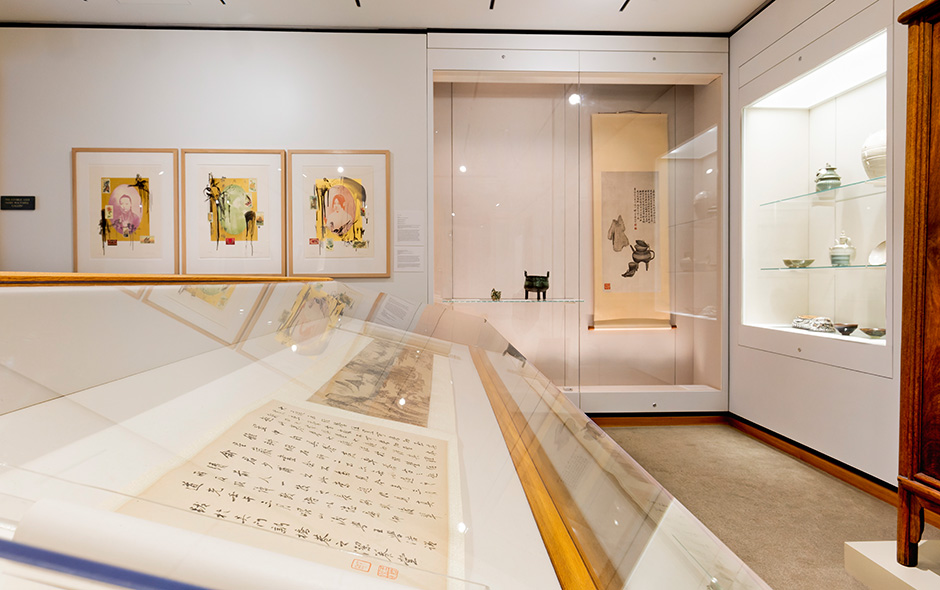
Explore the Johnson’s collection of 40,000 works.

Johnson Kids
Visit this special spot for projects and inspiration that families can share together throughout the year.
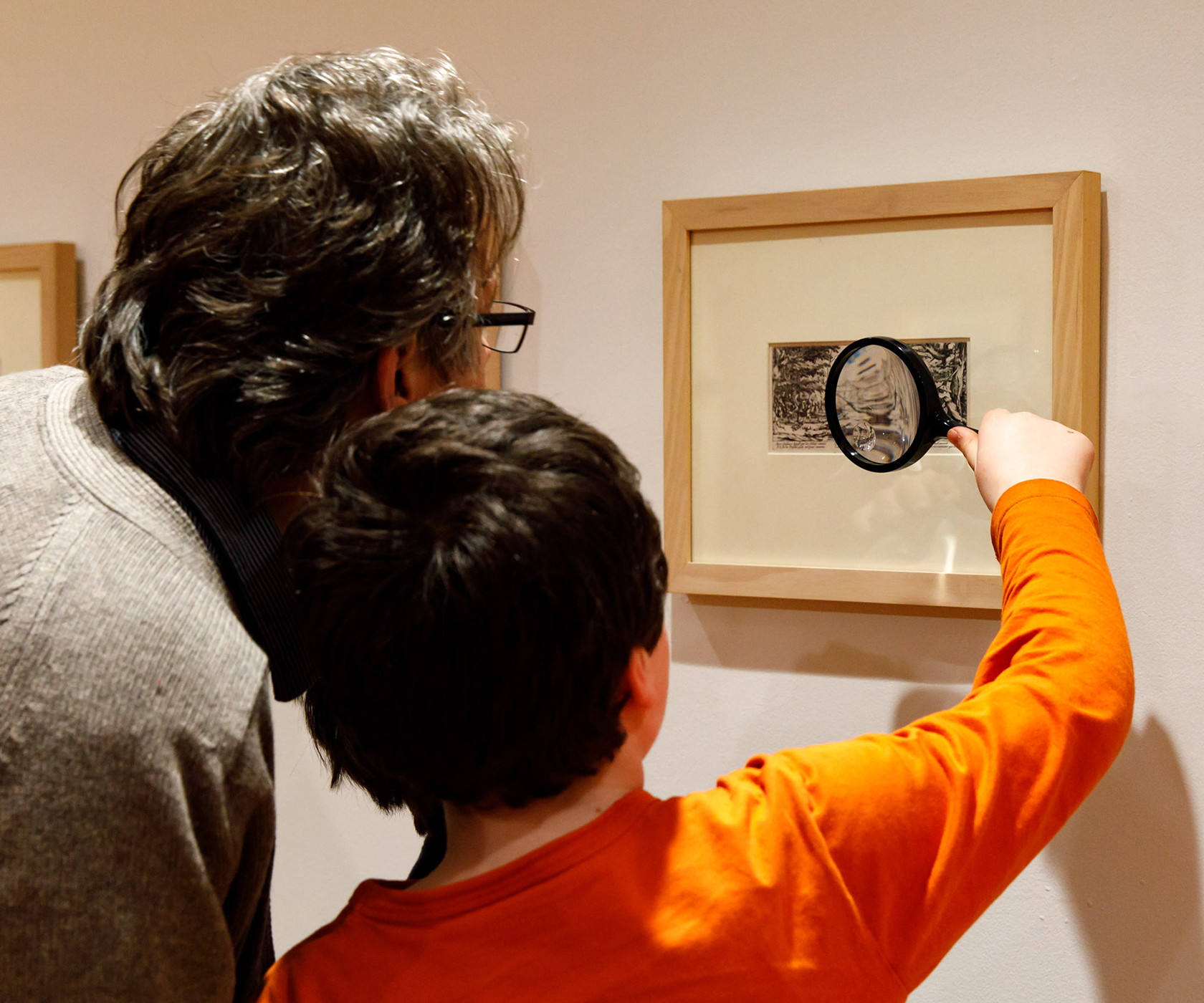
About the Museum
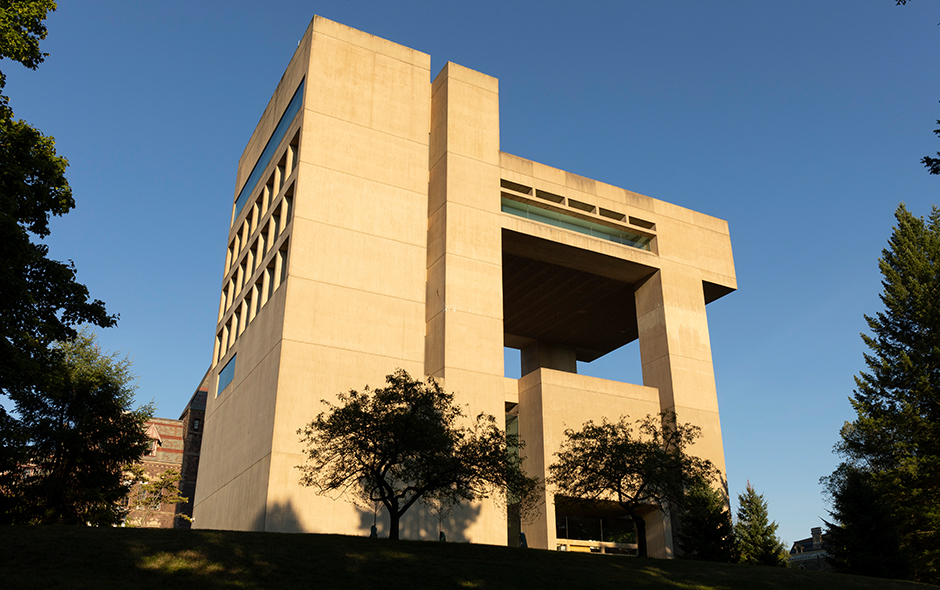
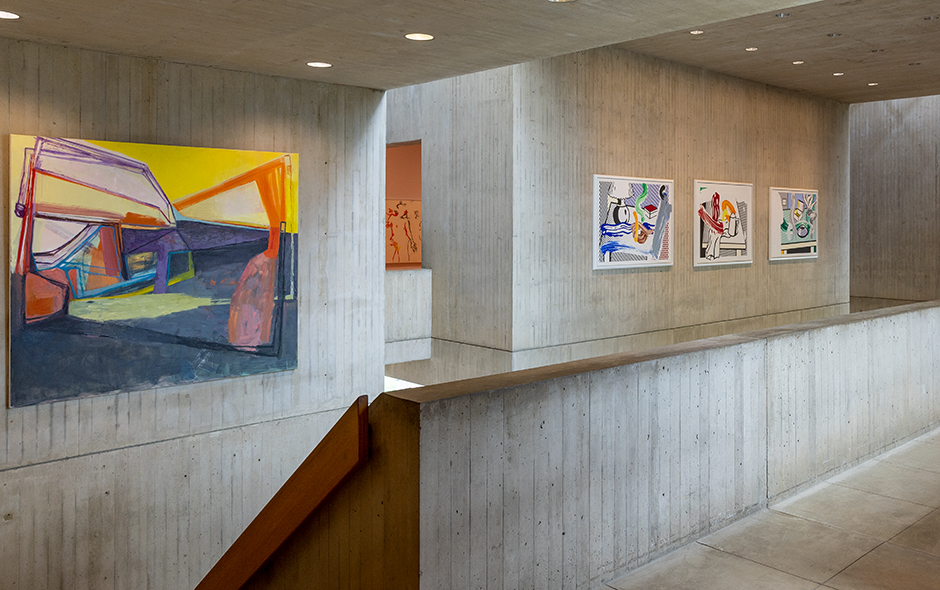
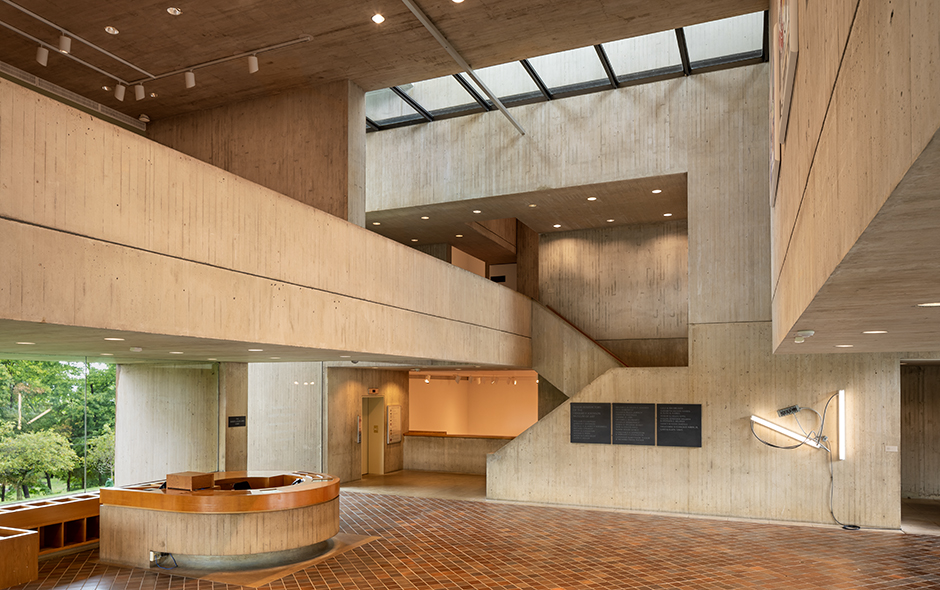
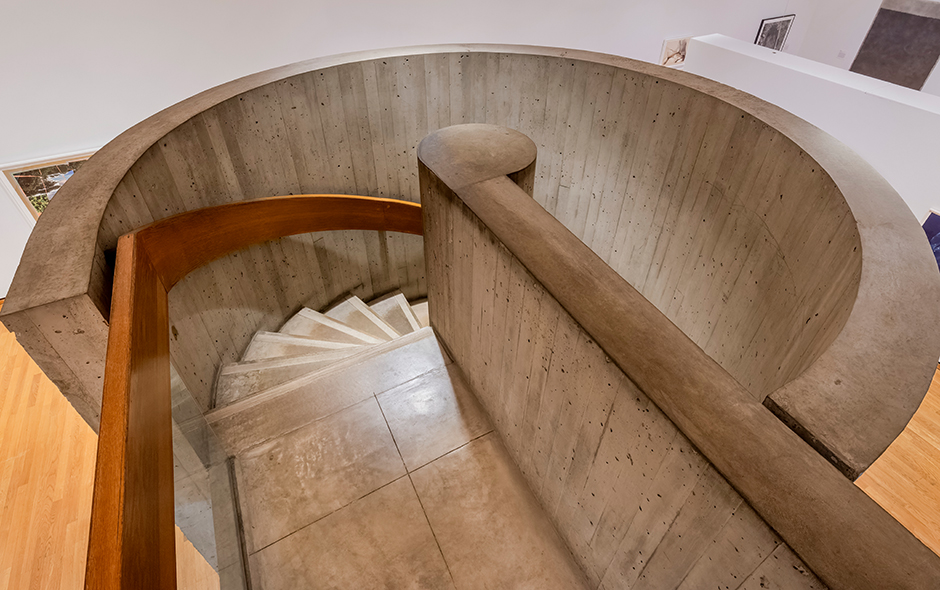
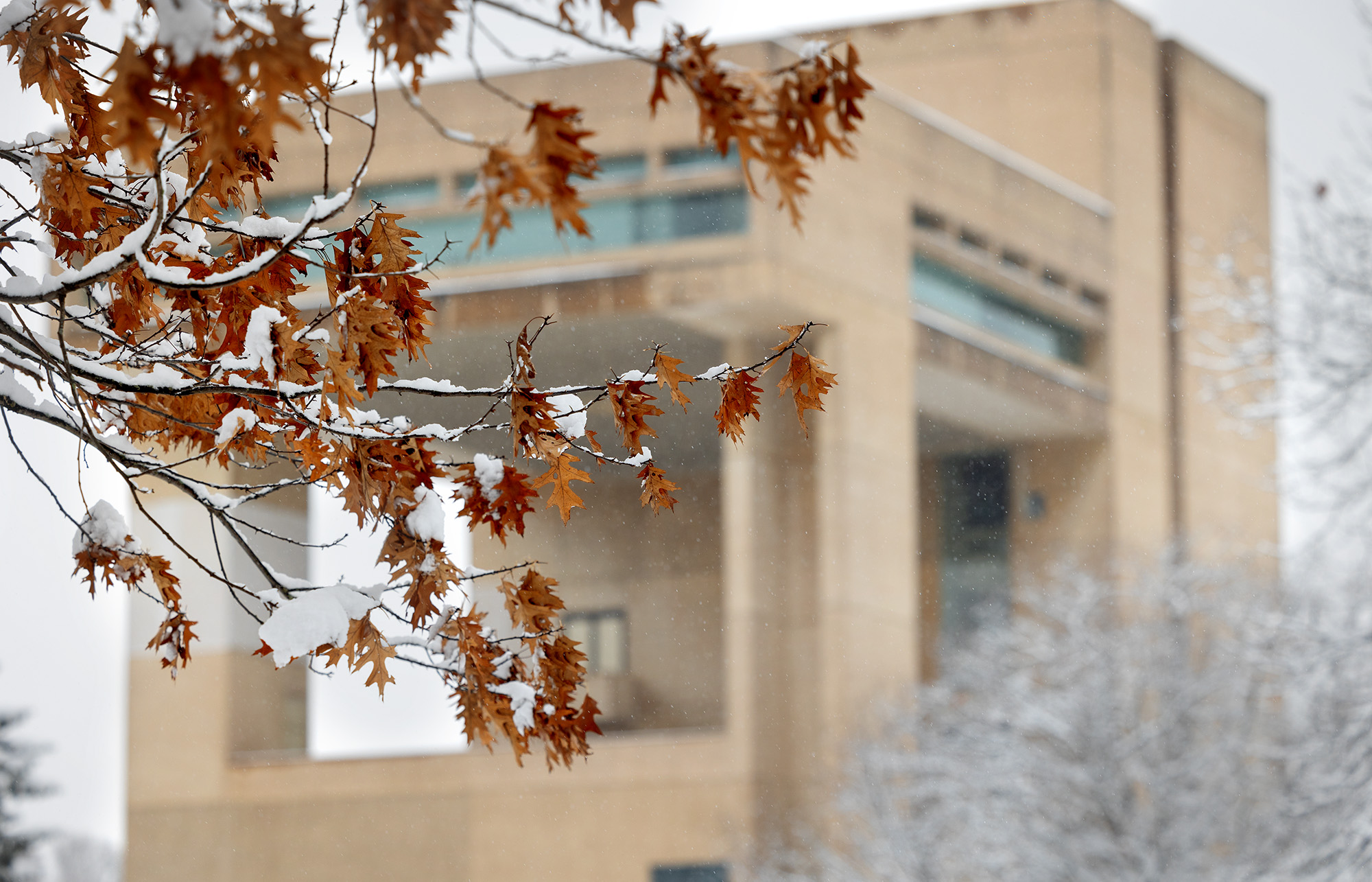
The Herbert F. Johnson Museum of Art at Cornell University opened in 1973 and has always been open to all without charge. Designed by I. M. Pei & Partners, the Museum is named for Herbert F. Johnson, Class of 1922.

Land Acknowledgment
Cornell University is located on the traditional homelands of the Gayogo̱hó:nǫɁ (the Cayuga Nation). The Gayogo̱hó:nǫɁ are members of the Haudenosaunee Confederacy, an alliance of six sovereign Nations with a historic and contemporary presence on this land. The Confederacy precedes the establishment of Cornell University, New York state, and the United States of America. We acknowledge the painful history of Gayogo̱hó:nǫɁ dispossession, and honor the ongoing connection of Gayogo̱hó:nǫɁ people, past and present, to these lands and waters.
This land acknowledgment has been reviewed and approved by the traditional Gayogo̱hó:nǫɁ leadership.